
Best Food in Morocco
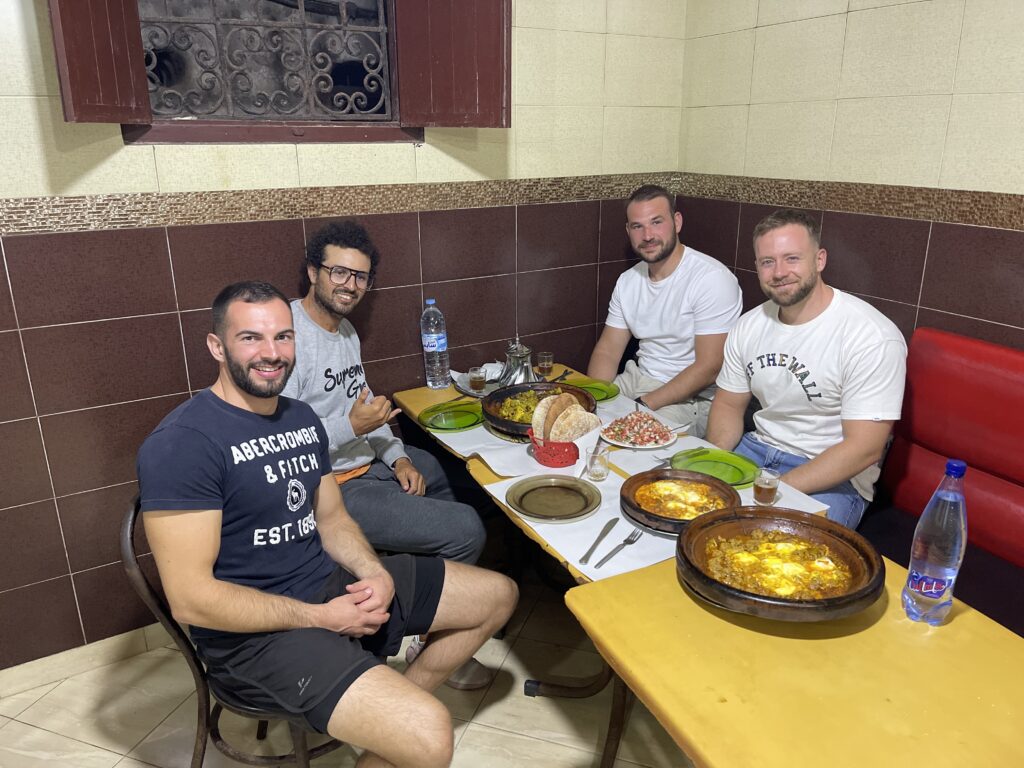
Best Food in Morocco – A Complete Guide to Moroccan Cuisine

This guide explores the best food in Morocco, from timeless classics like couscous and tagine to hidden gems found in the bustling markets of Marrakech, the coastal towns of Essaouira, and the historic medinas of Fez. Whether you are a traveler or a food enthusiast, you’ll find inspiration and delicious reasons to savor Morocco’s diverse cuisine.
Top Traditional Moroccan Dishes
When thinking about the best food in Morocco, a few iconic dishes immediately come to mind. These are meals that have been passed down for generations and remain the centerpiece of Moroccan dining.
Tagine
A slow-cooked stew, tagine is named after the conical clay pot used for cooking. Popular variations include lamb with prunes, chicken with preserved lemon and olives, or vegetarian options with seasonal vegetables. The slow cooking method ensures rich, layered flavors.
Couscous
Often called Morocco’s national dish, couscous is traditionally prepared on Fridays. Steamed semolina grains are topped with vegetables, chickpeas, and meat, then served with a rich broth. It’s a dish of togetherness and celebration.
Pastilla (B’stilla)
This savory-sweet pie layers delicate pastry with pigeon or chicken, almonds, cinnamon, and powdered sugar. It represents Morocco’s ability to blend contrasting flavors into perfect harmony.
Harira
A tomato-based soup with lentils, chickpeas, and fresh herbs, harira is especially popular during Ramadan. It’s often paired with dates and chebakia (a honey-coated pastry).
Mechoui
A slow-roasted lamb dish, often seasoned with cumin and salt. Mechoui is typically served at celebrations and special gatherings, symbolizing Moroccan hospitality.
Regional Specialties Across Morocco
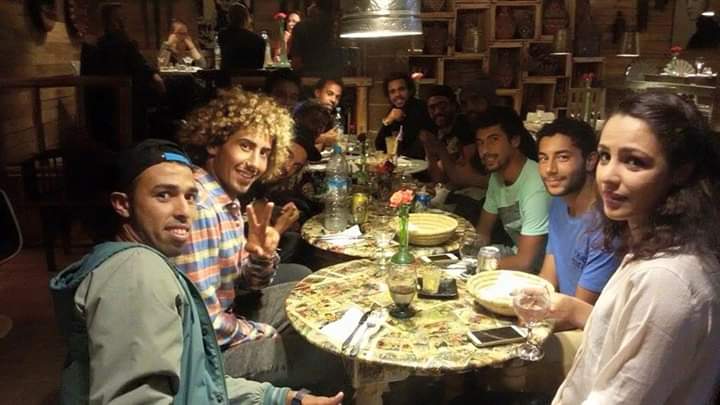
One of the reasons the best food in Morocco is so diverse is because each region has its own specialties. Exploring regional dishes is like traveling through Morocco’s history and geography.
- Marrakech: Known for tangia, a slow-cooked beef or lamb dish prepared in clay pots and cooked overnight in communal ovens.
- Essaouira: Famous for fresh seafood, especially grilled sardines and fish tagines, thanks to its Atlantic coast location.
- Fez: Offers refined dishes such as pastilla and spicy sausages, reflecting its role as Morocco’s cultural capital.
- Chefchaouen: In the Rif mountains, goat cheese and mountain herbs dominate the local cuisine.
- Sahara: Camel meat and desert bread (madfouna) are specialties in the southern desert regions.
Street Food and Snacks
Some of the best food in Morocco is found on the streets. Street food brings people together, offering quick bites full of flavor and tradition.
- Maakouda: Crispy fried potato cakes often stuffed into sandwiches with harissa.
- Brochettes: Skewers of beef, chicken, or lamb grilled over charcoal.
- Sfenj: Moroccan doughnuts, light and fluffy, often enjoyed with tea.
- Bissara: A warming fava bean soup, perfect for breakfast or chilly mornings.
Sweet Treats and Desserts
Moroccan desserts combine almonds, honey, and aromatic spices, creating some of the best food in Morocco for those with a sweet tooth.
- Chebakia: Flower-shaped pastries fried and coated in honey and sesame.
- Sellou: A mix of flour, almonds, sesame, and honey, traditionally eaten during Ramadan.
- Kaab el Ghazal: Crescent-shaped cookies filled with almond paste and flavored with orange blossom water.
Traditional Moroccan Drinks
The best food in Morocco is often paired with drinks that are as flavorful as the dishes themselves.
- Mint Tea: Morocco’s national drink, symbolizing warmth and hospitality. Prepared with green tea, fresh mint, and sugar.
- Moroccan Coffee: Strong, sometimes spiced with cinnamon or cardamom.
- Fresh Juices: Orange juice, pomegranate juice, and avocado smoothies are widely available.
Dining Etiquette and Culture
Eating the best food in Morocco is not just about taste—it’s about tradition. Meals are often shared from one large dish, symbolizing unity. It is customary to eat with the right hand, and bread is commonly used as a utensil.
Hospitality is central to Moroccan culture. Guests are offered the best portions, and refusing food is often considered impolite. Expect every meal to be accompanied by generous pours of mint tea.
Food Tours and Cooking Classes
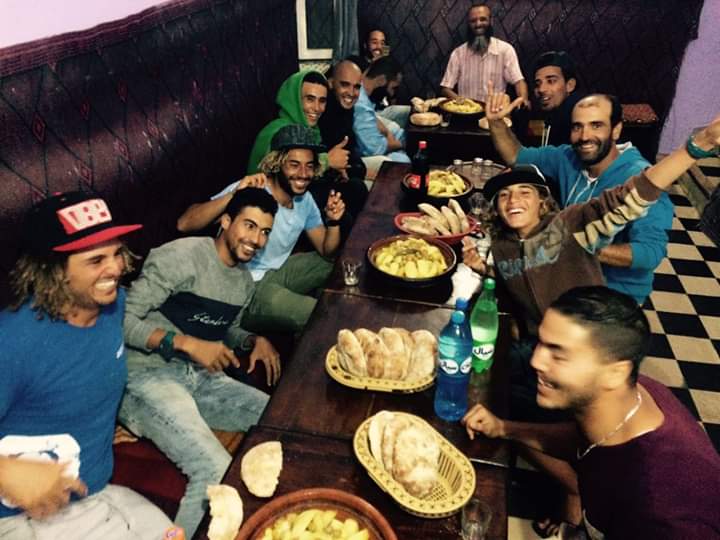
In Marrakech, food tours through Jemaa el-Fnaa square are popular. In Essaouira, seafood cooking classes highlight the coastal flavors. Fez offers workshops on bread baking and pastry making.
Tips for Enjoying the Best Food in Morocco
- Try eating where locals eat—markets and small family-owned restaurants often serve the most authentic meals.
- Don’t miss the Friday couscous tradition—it’s a weekly ritual across the country.
- Pair your meals with mint tea or fresh juice instead of soda for a more local experience.
- Take your time—Moroccan meals are meant to be enjoyed slowly with good company.
Conclusion – Experiencing the Best Food in Morocco
From fragrant tagines and steaming couscous to sweet pastries and refreshing mint tea, the best food in Morocco is a celebration of flavor and tradition. Each region adds its own character, making Moroccan cuisine one of the most diverse in the world.
Whether you are enjoying street food in Marrakech, fresh seafood in Essaouira, or home-cooked meals in Fez, Moroccan food tells a story of history, culture, and hospitality. To explore more about Moroccan culture and travel, visit our Essaouira travel guide. For more culinary inspiration, see Lonely Planet’s Moroccan food guide.











 https://kitetripping.com/